Focused use case #4

ESG Performance Management

Move from ESG reporting to active performance management. Track KPIs, targets and actuals across the organisation, and act when performance drifts.

TYPICAL ESG QUESTION

Are we on track to meet our ESG targets, and where do we need to act?

ESG data that does more than comply.

It creates more business value when it’s used beyond the annual report. Track KPIs, targets and actuals across:

  • Entities: Compare performance across legal entities
  • Geographies: See how sites and countries are progressing
  • Business units: Hold each part of the business to its own targets
  • Reporting periods: Follow developments over time
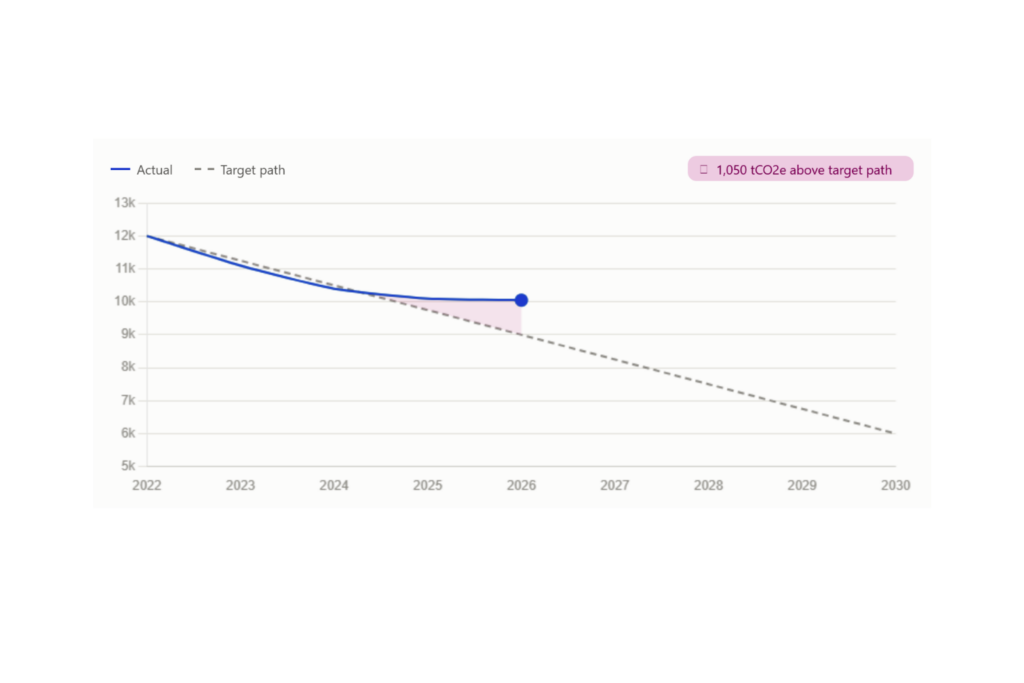
TARGETS VS ACTUALS

See where performance is drifting from target

Finance and sustainability teams can analyse developments over time and identify deviations where performance isn’t progressing as expected.

Because the same data model supports both external reporting and internal performance management, there’s no need for parallel datasets, and targets stay connected to the numbers you report.

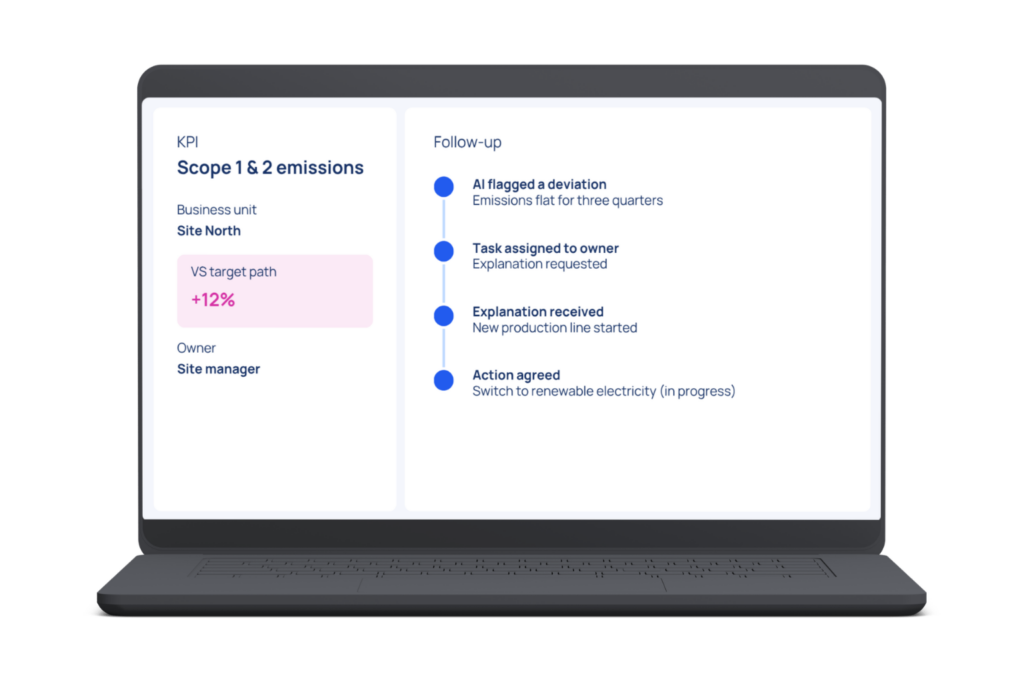
AI AND WORKFLOW

Turn deviations into follow-up

AI identifies patterns and deviations in the data.

Workflow then assigns actions, collects explanations from the responsible owners and follows up until the issue is closed.

Business impact

How you benefit?

ESG becomes part of how the business is managed, not just something reported once a year.

  • One data foundation: Use the same data for external reporting and internal steering
  • Earlier action: Spot deviations while there’s still time to respond
  • Clear ownership: Every deviation has an owner, an explanation and a next step
Explore ESG & Sustainability Performance