Focused use case #4

Workforce Planning

Connect people decisions to financial performance. Translate hiring plans, salaries and organisational changes directly into financial impact.

TYPICAL MANAGEMENT QUESTION

What workforce can we afford, and when do we need it?

Build personnel plans from the details that drive them:

  • Plan by role and team: Plan FTEs, new hires and leavers across departments and entities
  • Model the full cost: Include salaries, pension, bonuses, social costs and pay increases
  • Time it right: Reflect start dates, notice periods and seasonal capacity in the forecast
  • Link to activity: Connect headcount to the volumes, projects and revenue it supports
people in the plan

Every hiring decision, visible in the numbers

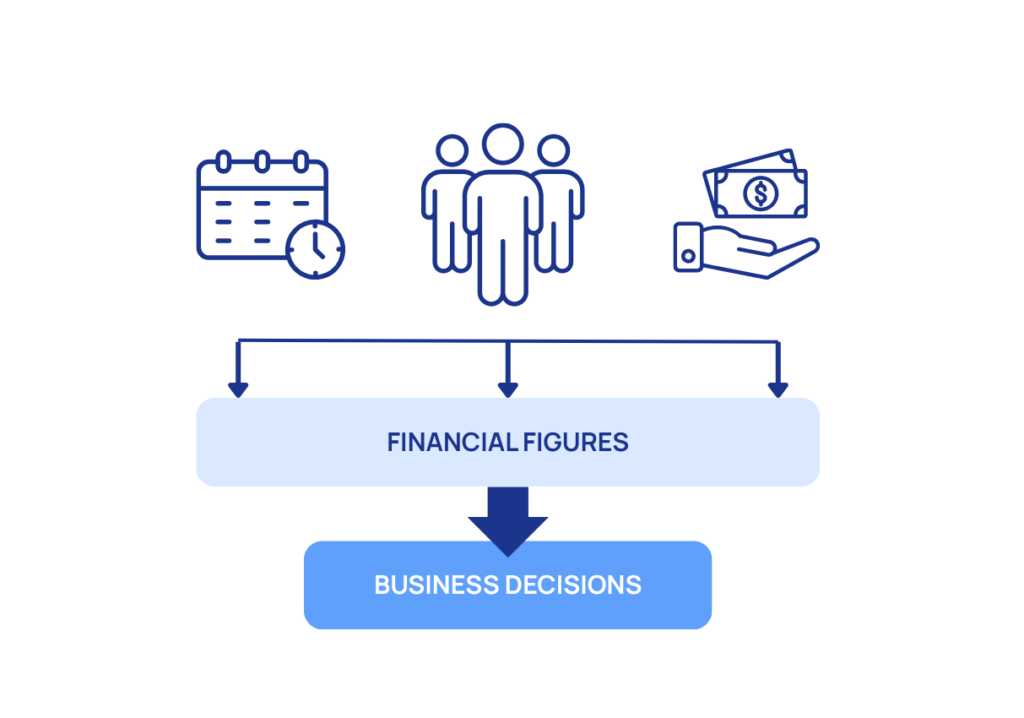
Personnel is often the largest cost in the business, which is why it needs a solid overview. When workforce planning is part of the same model, a new hire, a delayed start or a salary adjustment flows straight through to costs, EBITDA and cash.

HR, managers and Finance work from the same headcount plan, so the budget reflects the team the business actually intends to have.

AI performance planning

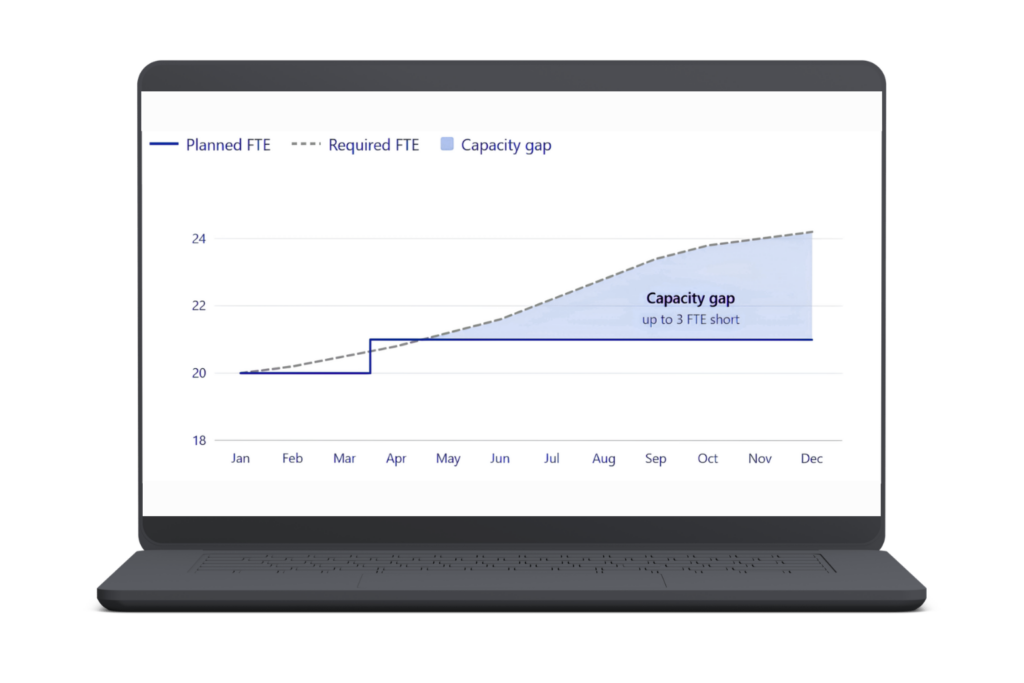
Check the plan against capacity

AI compares the workforce plan with historical staffing levels and productivity, and shows where headcount and activity are out of step. Finance sees early whether the business is planning too many people for the expected volume, or too few to deliver it.

Business impact

How you benefit?

  • Control: Personnel costs are planned in detail, not as a single lump sum
  • Alignment: HR, managers and Finance plan from the same headcount
  • Foresight: See the cost of hiring decisions before they are made
Explore Planning & Forecasting